Where Nickel Alloy Scrap Comes From
Source industries
Nickel alloys are specified where ordinary steel fails: heat, corrosion, seawater, or both. Knowing the source industry narrows the likely grades before a single reading is taken.

Source industries
Eight Industries, Eight Scrap Streams
Each industry uses a different set of alloys, and releases them in a different way.

Aerospace
Aerospace generates some of the highest-value nickel alloy scrap: Inconel 718 turnings from disc and shaft machining, superalloy revert from turbine blades and vanes, and Hastelloy X and Haynes sheet from combustors.
Power Generation
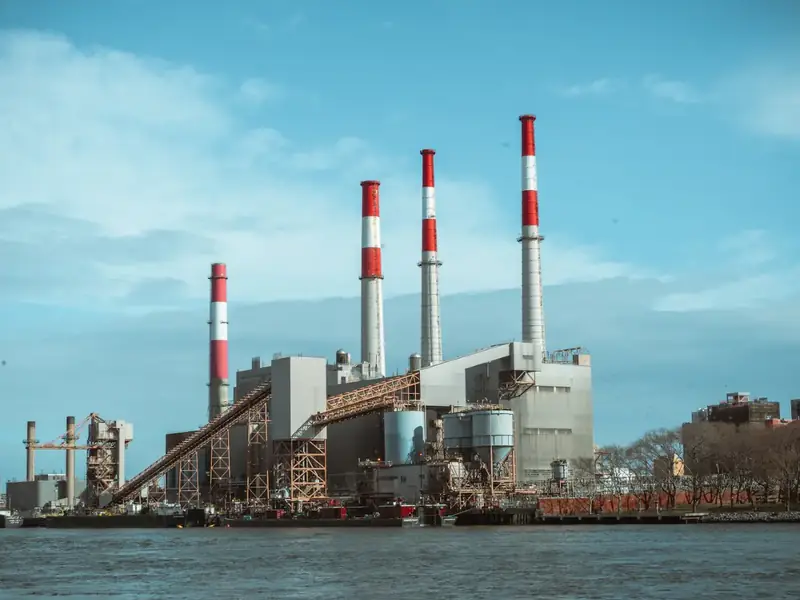
Power plants generate nickel alloy scrap at scheduled gas turbine outages, when buckets, nozzles, combustion liners and transition pieces are replaced.

Oil and Gas
Oil and gas is the largest source of corrosion-resistant nickel alloy scrap: Inconel 625 clad and solid pipe, Incoloy 825 tubulars, Inconel 718 and 925 downhole parts, Monel K-500 tools and duplex piping.

Chemical Processing
Chemical plants use the most corrosion-resistant nickel alloys: Hastelloy C-276, C-22 and B-2, Inconel 600 and Incoloy 825.

Marine and Shipbuilding
Ships and offshore vessels use Monel 400 and K-500, super duplex, 254 SMO and Ni-Resist for seawater systems, shafts and pumps.
Desalination
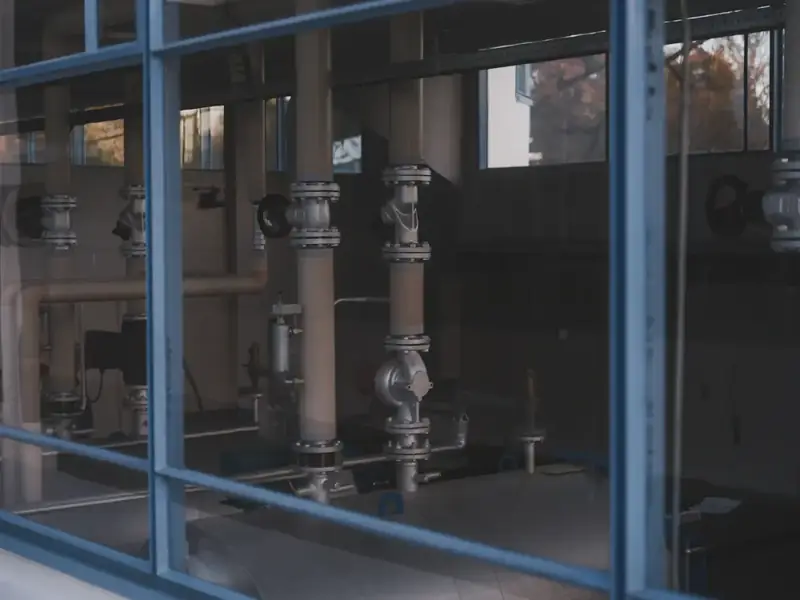
Desalination plants use 254 SMO, super duplex and titanium for seawater intake, high-pressure reverse-osmosis piping and evaporator tubing.
Nuclear
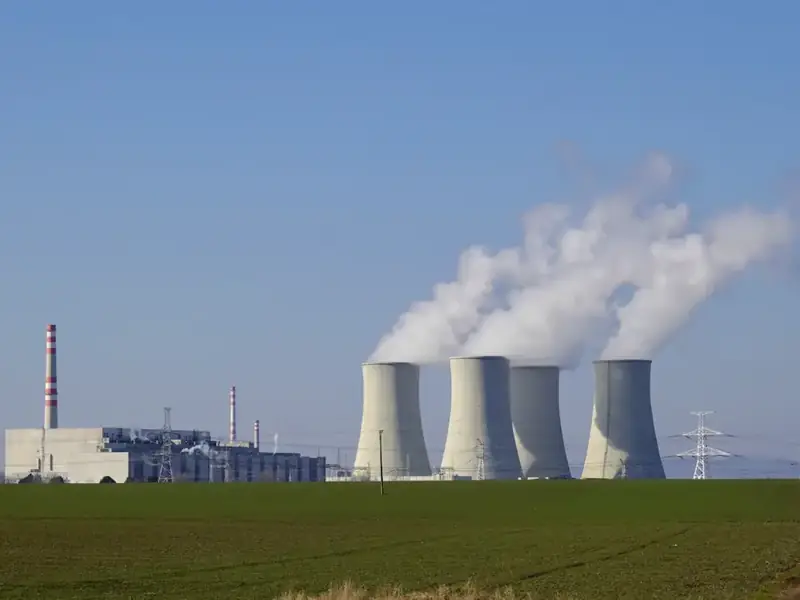
Nuclear plants use Inconel 690, Inconel 600 and Inconel 718 for steam generator tubing, reactor internals and springs.
Heat Treatment and Furnaces
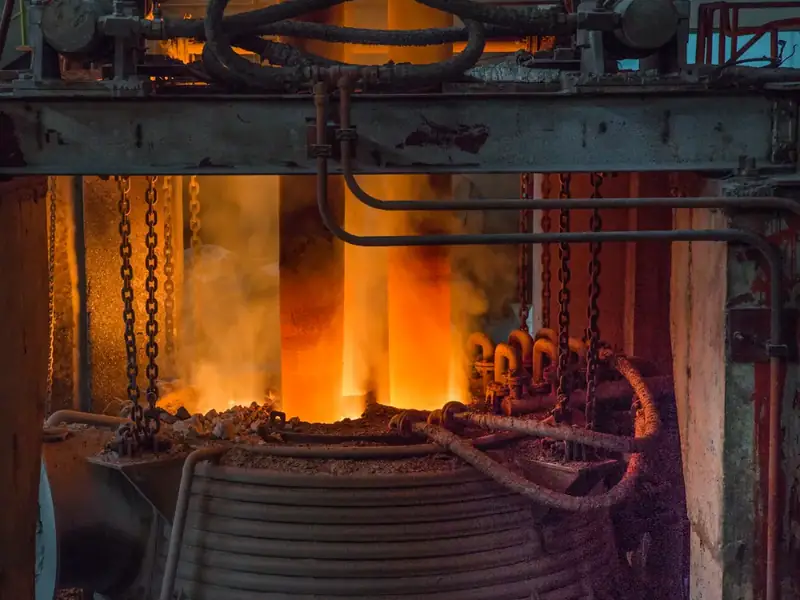
Furnaces and heat-treatment lines use Inconel 600 and 601, Haynes 214 and 230, Hastelloy X and Nimonic 75 for muffles, retorts, radiant tubes, baskets and fixtures.
Alloy map
Which Alloys Come from Which Industry
A filled marker means grades from that family are a regular part of the industry’s scrap.
| Industry | Inconel | Incoloy | Hastelloy | Monel | Nimonic & Haynes | Superalloys | Cobalt alloys | Duplex & 6Mo | Titanium | Ni-Resist |
|---|---|---|---|---|---|---|---|---|---|---|
| Aerospace | ||||||||||
| Power generation | ||||||||||
| Oil and gas | ||||||||||
| Chemical processing | ||||||||||
| Marine and shipbuilding | ||||||||||
| Desalination | ||||||||||
| Nuclear | ||||||||||
| Heat treatment and furnaces |
The release cycle
How Industrial Scrap Is Released
Nickel alloy scrap rarely appears by accident. It comes out at planned moments in an asset’s life.
- 01
Service
Alloy parts run for years in heat, acid, seawater or sour gas.
- 02
Outage or Overhaul
Turnarounds, hot-gas-path inspections and decommissioning bring parts out.
- 03
Removal and Cutting
Parts are cut from the plant, separated from carbon steel and sized.
- 04
Segregation and PMI
Each grade is kept apart and proved by XRF or OES, with a record.
- 05
Remelt
Clean, single-grade lots go back into new alloy.
Questions
Industries FAQ
Which industries generate the most nickel alloy scrap?
Oil and gas, chemical processing, power generation and aerospace generate most of it, through shutdowns, overhauls, decommissioning and machining.
Why does the source industry matter?
It narrows the likely grades before a single reading is taken. Sour-service oilfield scrap points to 625, 718 and 825; chemical plant to Hastelloy C-276 and C-22; aerospace to 718 and superalloys.
Is scrap from nuclear plants traded?
Only after it has been cleared through the site’s radiological clearance process. Alloy 600 and 690 tube from steam generator replacements is the typical material.
Scrap from a Shutdown, Overhaul or Machining Line?
Tell us the source, grade and approximate weight. We review incoming enquiries and respond with relevant next steps.