What Sets the MAR-M Grades Apart in a Scrap Lot?
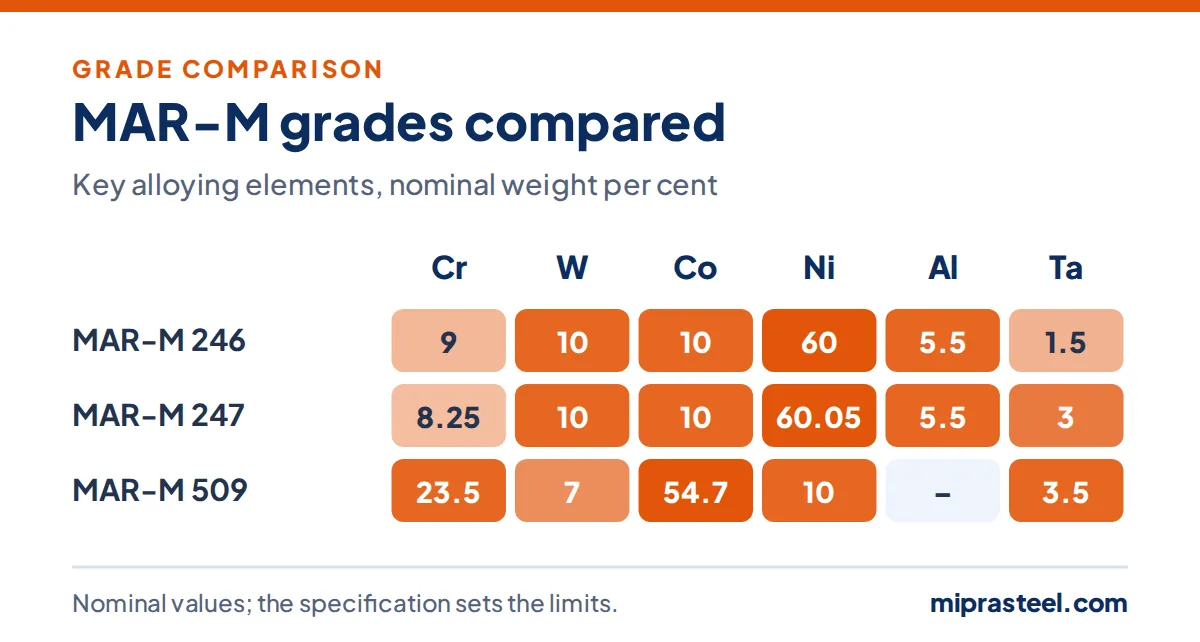
Three alloys share the MAR-M prefix, but only two of them belong in the same conversation. MAR-M 246 and MAR-M 247 are γ′-strengthened nickel alloys built on the same heavy base: around 10% tungsten, 10% cobalt and 5.5% aluminium. They part company on a handful of minor elements. MAR-M 246 keeps about 2.5% molybdenum and 1.5% tantalum. MAR-M 247 cuts molybdenum to about 0.7%, doubles tantalum to 3% and adds about 1.5% hafnium, which helps the alloy survive directional solidification without cracking along its grain boundaries. That small change is why 247 went on to be cast in such volume for blades, vanes and integral wheels.
MAR-M 509 is a different animal. It is cobalt-base, at roughly 55% cobalt with 23.5% chromium and 10% nickel, and it gets its strength from carbides rather than γ′. It is cast into static parts such as nozzle guide vanes. On a scrap floor it often sits next to 247 because the same foundries pour both, but it goes to a cobalt melt, is typically declared under a different customs heading and must never be tipped into nickel revert.
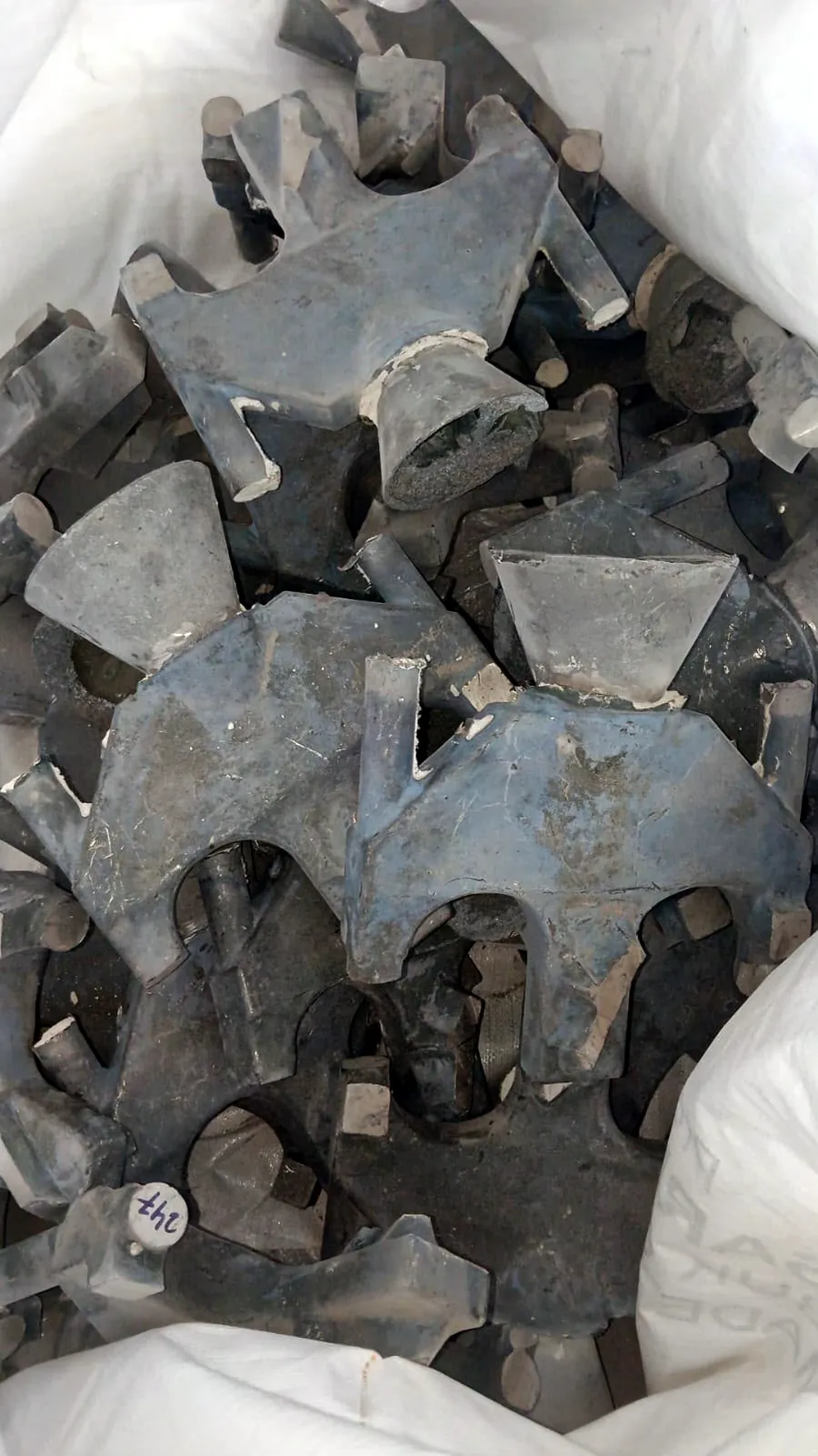
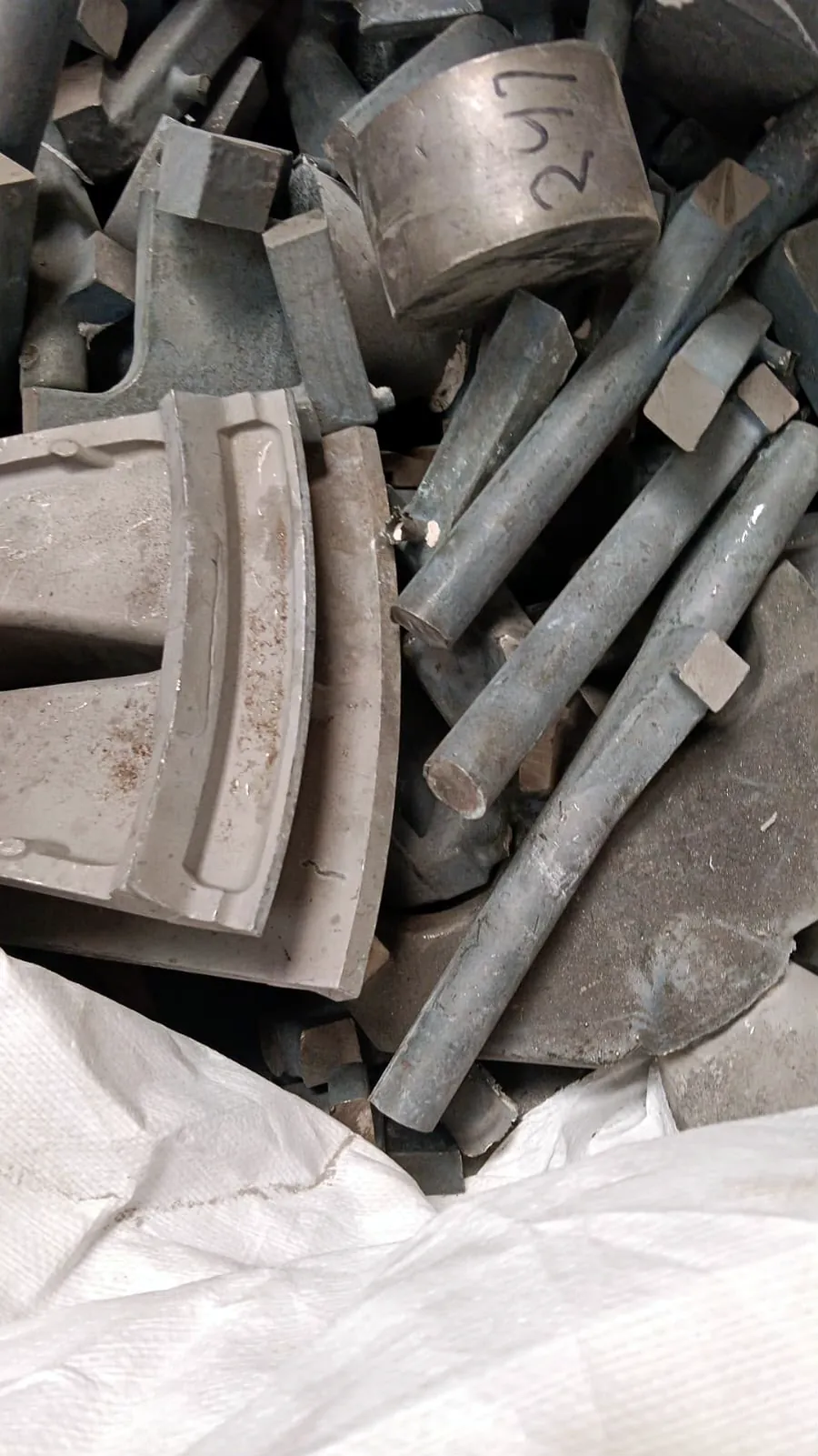
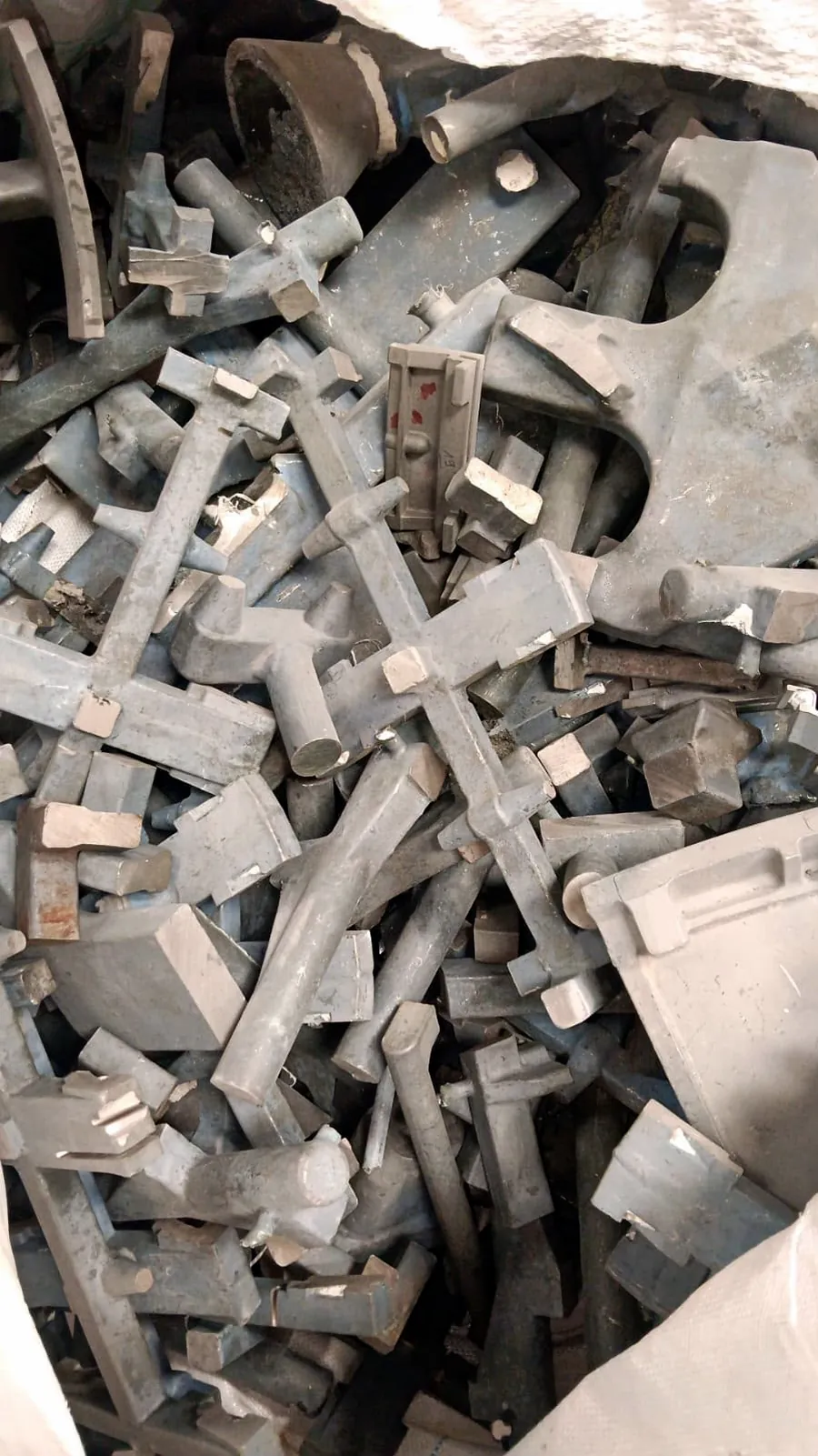
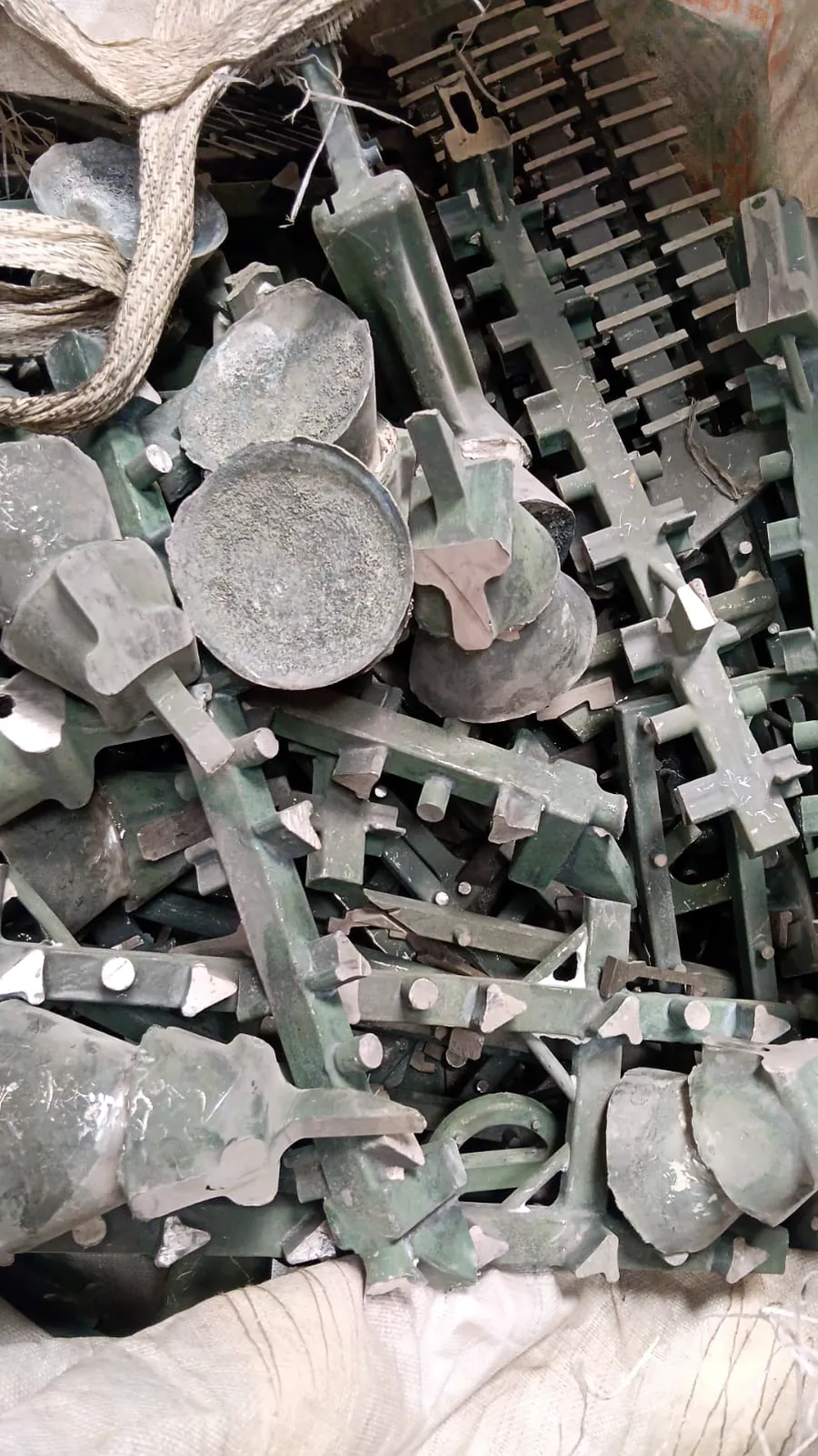
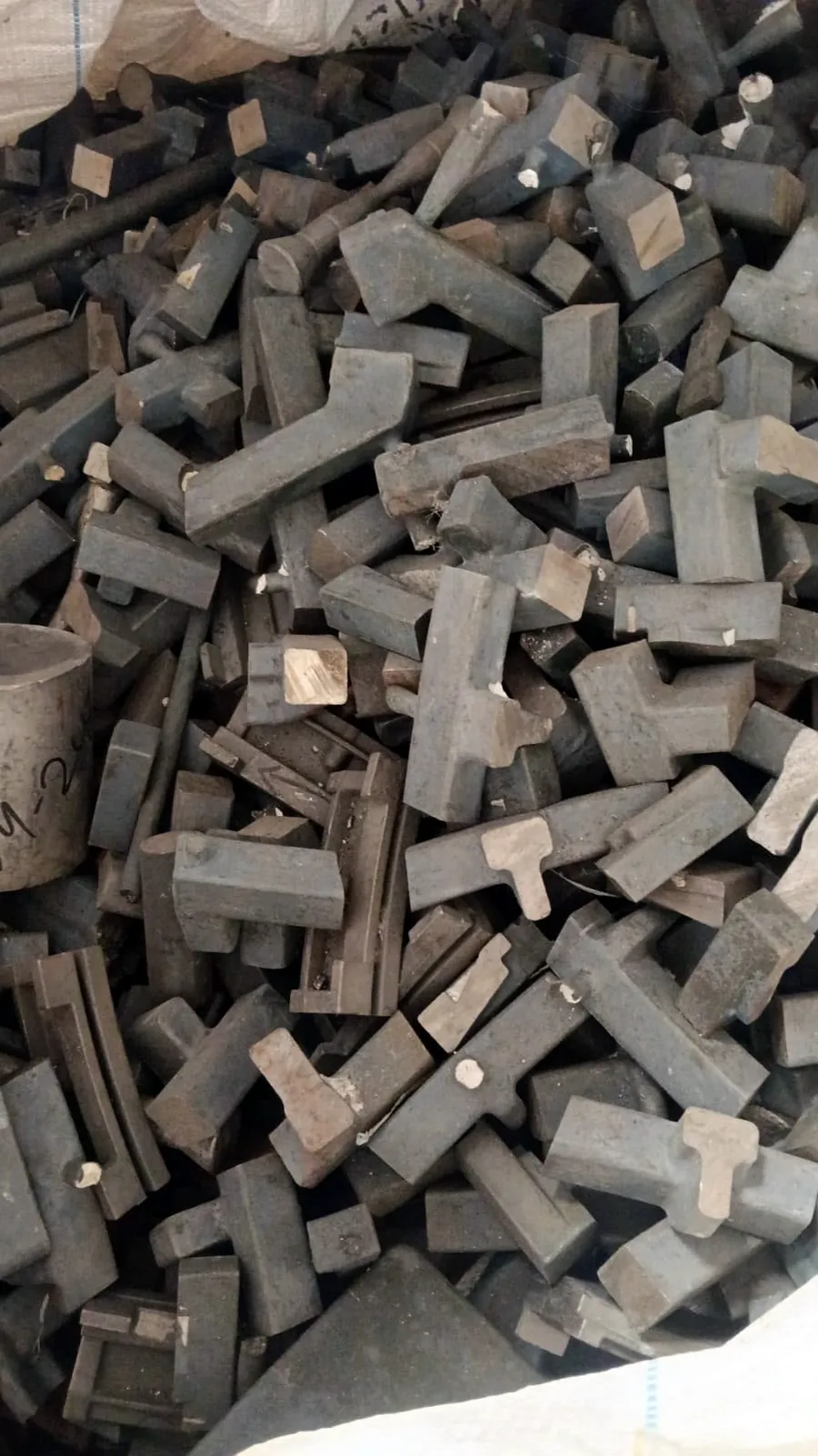
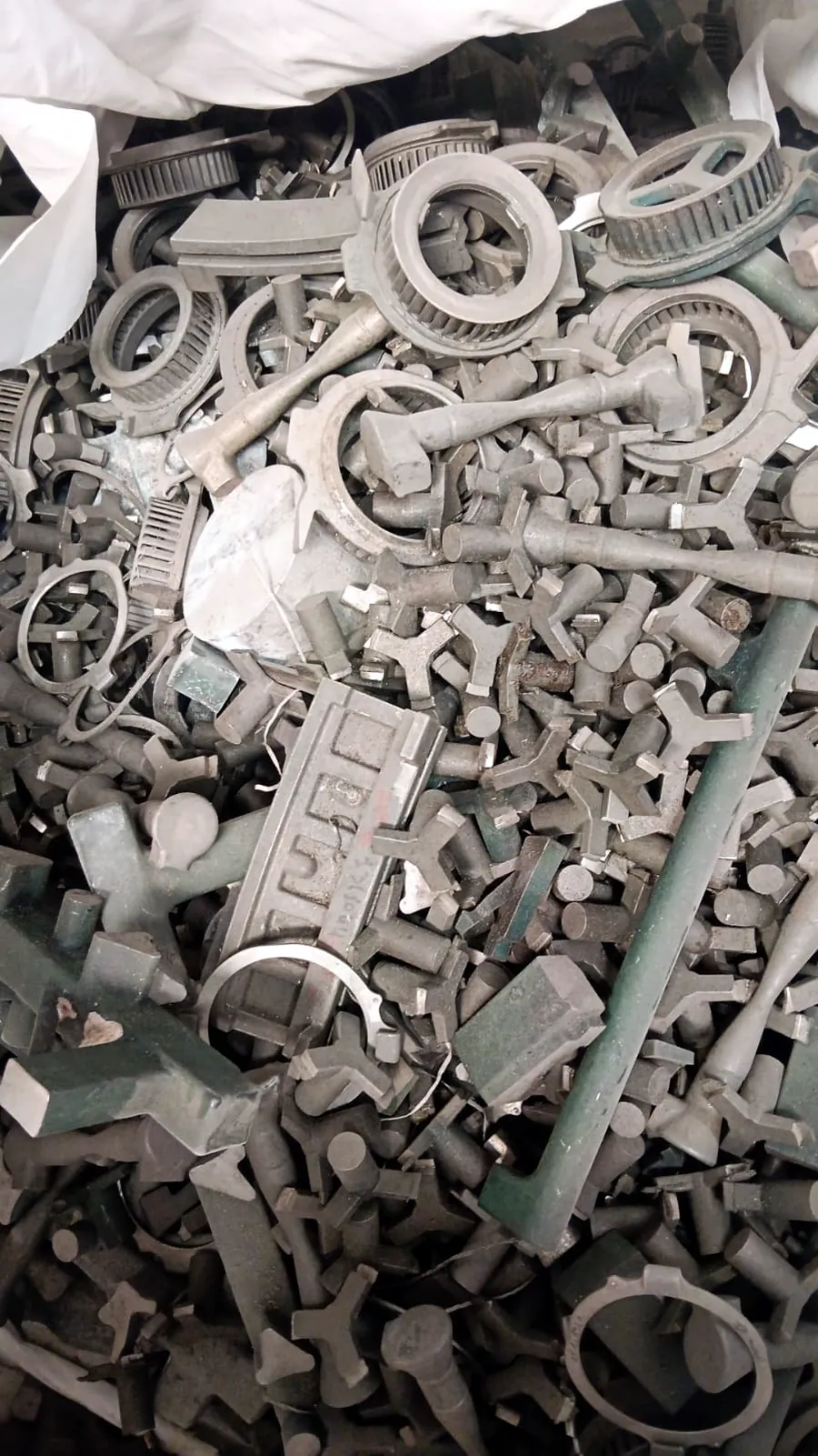
Trade names add a layer of confusion. "247 LC" lots follow CM 247 LC, a low-carbon derivative of 247 developed for directionally solidified castings, with carbon roughly halved and titanium and zirconium trimmed. "247C" and "246C" have no published definition: they are names the trade uses for particular lots, and a lot carrying either label should be backed by its analysis. The photographs at the top of this page come from Mipra Steel lots of MAR-M 247 and MAR-M 509 revert.
MAR-M Scrap Grades We Buy and Sell
MAR-M Chemical Composition
| Grade | Ni | Co | Cr | W | Al | Ta | Mo | Ti | Hf | C | Zr |
|---|---|---|---|---|---|---|---|---|---|---|---|
| MAR-M 246 | 60 | 10 | 9 | 10 | 5.5 | 1.5 | 2.5 | 1.5 | – | – | – |
| MAR-M 247 | 60.1 | 10 | 8.3 | 10 | 5.5 | 3 | 0.7 | 1 | 1.5 | – | – |
| MAR-M 509 | 10 | 54.7 | 23.5 | 7 | – | 3.5 | – | 0.2 | – | 0.6 | 0.5 |
Nominal weight per cent. Specification ranges vary by product form and standard.
How to Tell MAR-M Grades Apart
Tungsten and cobalt readings put a piece inside the MAR-M group; the minor elements decide which grade it is. A handheld XRF covers most of the work, with OES or a laboratory for carbon and zirconium.
| Check | What it shows for MAR-M |
|---|---|
| Base metal | About 60% nickel means 246 or 247. About 55% cobalt means MAR-M 509, and the piece leaves the nickel lot at once. |
| Hafnium | About 1.5% points to MAR-M 247. MAR-M 246 carries none. |
| Molybdenum and tantalum | Around 2.5% molybdenum with 1.5% tantalum fits 246; under 1% molybdenum with 3% tantalum fits 247. |
| Chromium on a cobalt reading | About 23.5% chromium with 7% tungsten and 3.5% tantalum fits 509. ECY-768 is almost identical, so zirconium has to be checked. |
| Carbon | The only practical way to support a "247 LC" description. Handheld XRF cannot read carbon, so OES or laboratory analysis is needed. |
| Coating and condition | Grind a spot clean before reading a service part; the coating chemistry distorts the result and is declared in the description. |
Grades Most Often Confused with MAR-M
- ECY-768: is a cobalt vane alloy with the same 23.5% chromium, 10% nickel and 7% tungsten as MAR-M 509, but about 0.05% zirconium or less against 0.5%.
- Inconel 713C: is another cast nickel blade and wheel alloy, but with about 4.5% molybdenum, 2% niobium and no tungsten or cobalt.
- René 80: is a cast blade alloy with about 14% chromium, 4% tungsten and 5% titanium, far less tungsten than either 246 or 247.
Hafnium Separates 247 from 246
About 1.5% hafnium and 3% tantalum in 247; 246 has more molybdenum (2.5%) and no hafnium.
Cobalt Base Marks 509
MAR-M 509 reads as roughly 55% cobalt on XRF, so it should never be mixed into nickel-base 246 or 247 revert.
Related Grades
CM 247 LC is a low-carbon derivative of MAR-M 247 and should be kept separate unless documentation says otherwise.
Where MAR-M Scrap Comes From
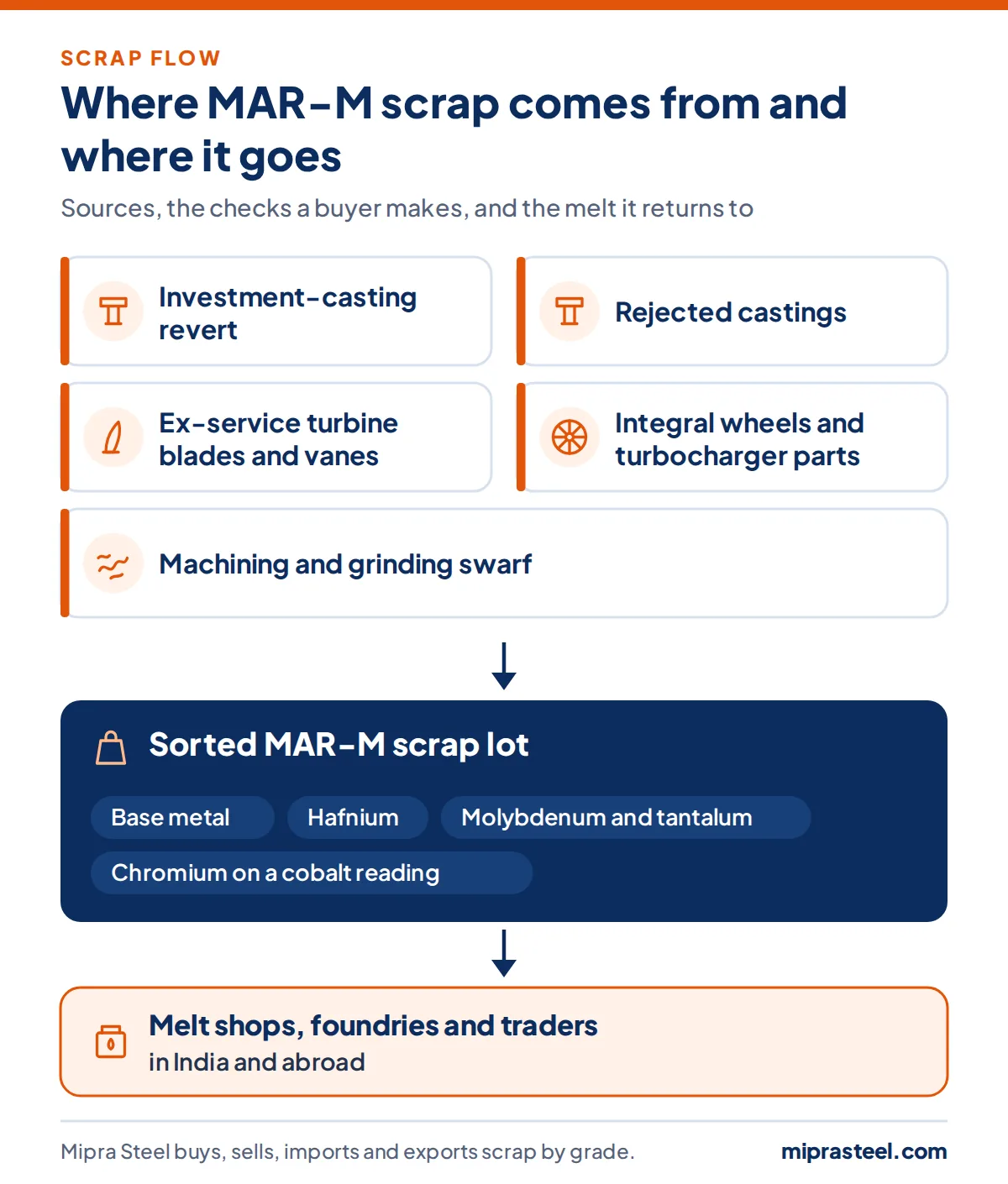
MAR-M scrap reaches the market from two very different places: the foundry, where it is clean and well documented, and the overhaul shop, where it has seen service.
Investment-Casting Revert
Gates, runners, risers and pour cups cut from blade, vane and wheel castings. This is uncoated, single-heat material and the easiest MAR-M scrap to describe accurately.
Rejected Castings
Blades and vanes scrapped for porosity, misruns or grain defects found at inspection. They are new metal, but ceramic core residue inside hollow parts has to be accounted for.
Ex-Service Turbine Blades and Vanes
Parts retired at engine and turbine overhaul once they pass their repair limits. Most carry protective coatings and sometimes braze repairs. See selling turbine blade scrap.
Integral Wheels and Turbocharger Parts
Cast MAR-M 247 rotors from small gas turbines and demanding turbocharger service, retired whole or rejected at machining.
Machining and Grinding Swarf
Root-form grinding and tip machining leave fine MAR-M swarf, usually traded separately from solids because of oil, abrasive and moisture pickup.
Source industries: aerospace, power generation.
MAR-M Alloy Scrap Buyer, Importer and Exporter in India
Mipra Steel buys MAR-M revert and retired parts from foundries, overhaul shops and traders, and supplies sorted MAR-M lots to vacuum melt shops and traders in India and abroad.
Sell MAR-M Scrap
Holding MAR-M 247 gates and risers, rejected blades or a drum of 509 vanes? Tell us which grade you believe each lot is, how it was generated (foundry or service), the weight, and whether parts are coated. Photographs of the pieces and any heat numbers, casting records or XRF readings help. For 247 LC, send the carbon analysis. We review incoming enquiries and respond with relevant next steps.
Buy MAR-M Scrap
Vacuum melt shops and alloy producers buying MAR-M as revert should state the grade, whether 247 LC chemistry is required, the forms acceptable (revert, blades, wheels), the quantity and the delivery port. Lots are described grade by grade, with origin and coating condition stated, and we can discuss which documents travel with each consignment.
Preparing MAR-M Scrap for Sale
- Pull every MAR-M 509 piece out of nickel-base 246 and 247 lots and drum it separately.
- Keep 246 and 247 apart, even when they came from the same foundry.
- Separate foundry revert from coated ex-service blades and vanes.
- Knock off loose shell and grit, and note any ceramic core left in hollow parts.
- Keep grinding swarf dry and away from solid pieces.
- Label any lot sold as 247 LC with its carbon analysis.
MAR-M Scrap Price per Kg: What Decides It
Offers for MAR-M scrap are built on contained metal, then adjusted for how directly the lot can go back into a vacuum melt.
- Contained tungsten, cobalt and tantalum: roughly 10%, 10% and up to 3% in 246 and 247, which a melt shop would otherwise buy as virgin additions.
- Hafnium in MAR-M 247: around 1.5%, an element that is costly to add and that a 247 melt needs.
- Grade purity: a 247 lot holding pieces of 246 is worth less to a melter making either alloy, and any MAR-M 509 inside a nickel lot is a serious defect.
- Origin: uncoated foundry revert from known heats commands more interest than coated ex-service parts with braze repairs.
- Residual ceramic: shell, core and grit stuck to castings add weight that is not metal and are deducted.
- Documentation for 247 LC: without analysis, a "247 LC" lot is usually treated as plain 247.
Tungsten, cobalt and tantalum prices move independently of nickel, so MAR-M offers are dated. Read how superalloy revert is recycled for the melt-side view.
MAR-M Scrap Import and Export
Importing MAR-M Scrap into India
MAR-M scrap comes into India mostly as casting revert and retired parts from countries with turbine foundries and overhaul centres, including Europe, the Gulf and East Asia. As with other metal scrap, the shipment carries a pre-shipment inspection certificate, commercial invoice, packing list and bill of lading. Describe nickel-base MAR-M 246 and 247 and cobalt-base MAR-M 509 as separate line items: the nickel grades typically go under HS 7503.00 and 509 under HS 8105.30, and a mixed description invites questions at the port. See importing nickel alloy scrap into India.
Exporting MAR-M Scrap from India
Sorted MAR-M lots leave India for vacuum melters and revert processors abroad. Each grade is listed separately on the invoice and packing list, weighed, and packed in drums or bags inside containers from Nhava Sheva or Mundra. Buyers want origin stated plainly: foundry revert and ex-service parts are different products. Our Dubai and South Korea offices are close to buyers in the Gulf and East Asia. See export documents for alloy scrap.
Customs heading: 7503.00 (nickel waste and scrap). The HS code is the international tariff heading the scrap is declared under; national tariff lines add further digits, so confirm the full line with your customs broker.
Related Reading
MAR-M Alloy Scrap FAQ
Is MAR-M 509 a nickel alloy like MAR-M 247?
No. MAR-M 509 is cobalt-base, at roughly 55% cobalt with 23.5% chromium and 10% nickel, while MAR-M 247 is about 60% nickel. They share a name prefix and often a foundry, but 509 goes to a cobalt melt and is typically declared under HS 8105.30, not 7503.00. See cobalt alloy scrap.
How do I tell MAR-M 246 from MAR-M 247 on an XRF reading?
Look for hafnium and molybdenum. MAR-M 247 shows about 1.5% hafnium with under 1% molybdenum and 3% tantalum. MAR-M 246 shows no hafnium, about 2.5% molybdenum and 1.5% tantalum. Tungsten and cobalt are about 10% in both, so they do not separate the two.
What does "LC" mean in MAR-M 247 LC?
LC means low carbon. The name follows CM 247 LC, a derivative of MAR-M 247 developed for directionally solidified castings, with carbon cut roughly in half and titanium and zirconium reduced. Because XRF cannot read carbon, a lot is sold as 247 LC only when an OES or laboratory analysis supports it.
What is MAR-M 247C?
There is no published specification for "247C". It is a name used in the scrap trade for certain MAR-M 247 lots. Treat it as MAR-M 247 unless the seller provides an analysis or casting record explaining the label, and keep it as its own lot until that is clear.
Why are MAR-M 247 gates and risers worth more than used blades?
Gates and risers are uncoated metal from a known heat, so a vacuum melter can return them to a 247 melt with little risk. Retired blades carry coatings, braze repairs and service oxidation, and their exact chemistry is less certain, so they need more work before reuse.
Can I sell mixed MAR-M turbine scrap to Mipra Steel?
Yes, though a mixed lot is described and priced as mixed superalloy. Send the weight, location, photographs and any readings. If the pieces can be sorted into 246, 247 and 509 before you write, the lot is easier to place and the description will hold up when a melter checks it.
Which customs heading covers MAR-M scrap?
Nickel-base MAR-M 246 and 247 are typically declared under HS 7503.00, nickel waste and scrap. Cobalt-base MAR-M 509 is typically declared under HS 8105.30, cobalt waste and scrap. Confirm the full national tariff line with your customs broker before shipping.
Is MAR-M scrap exported from India to Korea or the Gulf?
It is. Sorted, single-grade MAR-M lots move from Indian ports to melt shops and revert buyers in East Asia and the Middle East. Mipra Steel has offices in Dubai and South Korea and handles export documentation grade by grade.
Published by Mipra Steel, Khetwadi, Mumbai · Updated